Committees
STEERING COMMITTEE
- Ming-Hui Chen (Founder), University of Connecticut
- Kun Chen, University of Connecticut
- Jeffrey P. Palmer, Pfizer
- Yang Song, Neurocrine Biosciences
- Sammi Tang, Astellas
- Richard Zhang, Travere Therapeutics
Organizing Committee
- Zhaoyang Teng (Co-Chair), Astellas, zhaoyang.teng@astellas.com
- Mary Lai Salvana (Co-Chair), University of Connecticut, marylai.salvana@uconn.edu
- Xinxin Dong , Amgen
- Yingwen Dong , Roche
- Ran Duan, Vertex
- Frank Fan , BMS
- Chunpeng Fan (Poster Subcommittee Chair), Insmed
- Xingche Guo , University of Connecticut
- Cong Han (Program Subcommittee Chair), Astellas
- Larry Han (Program Subcommittee Co-Chair), Brown University
- Ally He , Hemab Therapeutics
- Wei Hou , Neurocrine Biosciences
- Haolin Li , Boston University
- Purvi Prajapati , Lilly
- Sourav Santra , Sarepta Tx
- Xiao Shan , Takeda
- Susie Sinks , Biogen
- Zhichao Sun, Boehringer Ingelheim
- Roy Tamura , University of South Florida
- Haiying Wang, University of Connecticut
- Xin Wang , AbbVie
- Yuna Wu (Finance Subcommittee Chair), Galderma
- Dihua Xu , Alexion Pharmaceuticals
- Denise Yi (Communications Subcommittee Chair), Servier
- Xiang Zhang , CSL Behring
- Qi Zhang , Sanofi
- Ying Zhou , University of Connecticut
Supporting Team
- Mingye Chen (Webmaster), University of Connecticut
- Jiangchen Zhao (Webmaster), University of Connecticut
- So Eun Kim (Operations), University of Connecticut
Dr. Ming-Hui Chen, University of Connecticut
 Dr. Ming-Hui Chen is
Board of Trustees Distinguished Professor in the Department of
Statistics at the University of Connecticut (UConn). He was
elected to Fellow of International Society for Bayesian Analysis
in 2016, Fellow of the Institute of Mathematical Statistics in
2007, Fellow of American Statistical Association in 2005. He
also received the University of Connecticut AAUP Research
Excellence Award in 2013, the UConn College of Liberal Arts and
Sciences (CLAS) Excellence in Research Award in the Physical
Sciences Division in 2013, the University of Connecticut Alumni
Association's University Award for Faculty Excellence in
Research and Creativity (Sciences) in 2014, and ICSA
Distinguished Achievement Award in 2020. He has published over
428 statistics and biostatistics methodological and medical
research papers in mainstream statistics, biostatistics, and
medical journals. He has also published five books including two
advanced graduate-level books on Bayesian survival analysis and
Monte Carlo methods in Bayesian computation. He has supervised
or been supervising 37 PhD students. He served as President of
the International Chinese Statistical Association (ICSA) in
2013, Program Chair and Publication Officer of SBSS of the
American Statistical Association (ASA) and the ASA Committee on
Nomination for 2016-2017 to nominate candidates for ASA
President/Vice President. Currently, he serves as the 2022 JSM
Program Chair, Past President of the New England Statistical
Society (nestat.org), Co Editor-in-Chief of Statistics
and Its Interface, inaugurated Co Editor-in-Chief of New England
Journal of Statistics in Data Science, and an Associate Editor
of JASA, JCGS, and LIDA.
Dr. Ming-Hui Chen is
Board of Trustees Distinguished Professor in the Department of
Statistics at the University of Connecticut (UConn). He was
elected to Fellow of International Society for Bayesian Analysis
in 2016, Fellow of the Institute of Mathematical Statistics in
2007, Fellow of American Statistical Association in 2005. He
also received the University of Connecticut AAUP Research
Excellence Award in 2013, the UConn College of Liberal Arts and
Sciences (CLAS) Excellence in Research Award in the Physical
Sciences Division in 2013, the University of Connecticut Alumni
Association's University Award for Faculty Excellence in
Research and Creativity (Sciences) in 2014, and ICSA
Distinguished Achievement Award in 2020. He has published over
428 statistics and biostatistics methodological and medical
research papers in mainstream statistics, biostatistics, and
medical journals. He has also published five books including two
advanced graduate-level books on Bayesian survival analysis and
Monte Carlo methods in Bayesian computation. He has supervised
or been supervising 37 PhD students. He served as President of
the International Chinese Statistical Association (ICSA) in
2013, Program Chair and Publication Officer of SBSS of the
American Statistical Association (ASA) and the ASA Committee on
Nomination for 2016-2017 to nominate candidates for ASA
President/Vice President. Currently, he serves as the 2022 JSM
Program Chair, Past President of the New England Statistical
Society (nestat.org), Co Editor-in-Chief of Statistics
and Its Interface, inaugurated Co Editor-in-Chief of New England
Journal of Statistics in Data Science, and an Associate Editor
of JASA, JCGS, and LIDA.
Dr. Kun Chen, University of Connecticut
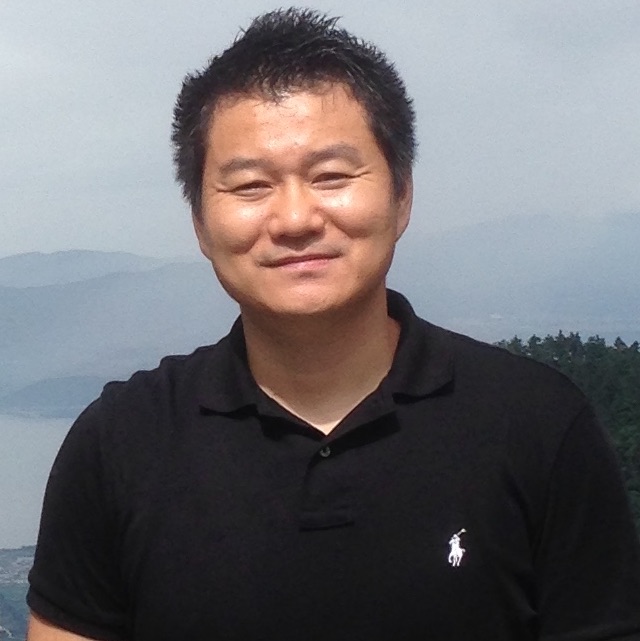 Kun Chen is a Professor
in the Department of Statistics at the University of Connecticut
(UConn) and a Research Fellow at the Center for Population
Health, UConn Health Center. He has been a Fellow of the
American Statistical Association (ASA) since 2022 and an Elected
Member of the International Statistical Institute (ISI) since
2016. His research mainly focuses on large-scale multivariate
statistical learning, statistical machine learning, and
healthcare analytics. He has extensive interdisciplinary
research experience in several fields, including ecology,
biology, agriculture, and population health. Dr. Chen has
graduated with over ten PhDs and received Recognition for
Teaching Excellence at UConn multiple times. He has also been
active in professional services. In particular, he was a core
member in establishing the New England Statistical Society
(NESS) in 2017 and served as its secretary until 2021.
Currently, he serves as the Program Chair for the ASA Section on
Statistical Computing and Vice-President for the ASA Connecticut
Chapter.
Kun Chen is a Professor
in the Department of Statistics at the University of Connecticut
(UConn) and a Research Fellow at the Center for Population
Health, UConn Health Center. He has been a Fellow of the
American Statistical Association (ASA) since 2022 and an Elected
Member of the International Statistical Institute (ISI) since
2016. His research mainly focuses on large-scale multivariate
statistical learning, statistical machine learning, and
healthcare analytics. He has extensive interdisciplinary
research experience in several fields, including ecology,
biology, agriculture, and population health. Dr. Chen has
graduated with over ten PhDs and received Recognition for
Teaching Excellence at UConn multiple times. He has also been
active in professional services. In particular, he was a core
member in establishing the New England Statistical Society
(NESS) in 2017 and served as its secretary until 2021.
Currently, he serves as the Program Chair for the ASA Section on
Statistical Computing and Vice-President for the ASA Connecticut
Chapter.
Dr. Chen received his B.Econ. in Finance and
Dual B.S. in Computer Science & Technology from the
University of Science & Technology of China in 2003, M.S. in
Statistics from the University of Alaska Fairbanks in 2007, and
Ph.D. in Statistics from the University of Iowa in 2011. Before
joining UConn, he was on the faculty of Kansas State University
from 2011 to 2013.
Dr. Jeff Palmer, Pfizer
 Jeff Palmer is
currently Executive Director and Head of Translational Clinical
Sciences Statistics (TCSS) at Pfizer, leading a team of
statisticians, bioinformaticians and computational biologists
driving statistical strategy and innovation in translational
clinical development across the full portfolio. He also
co-chairs the enterprise-wide Model Informed Drug Development
(MIDD) committee and community of practice, advancing
model-based techniques to ensure robust quantitative decision
making across the development portfolio. In a previous role at
Pfizer, he was a statistics group head leading early clinical
development in rare diseases. Jeff and his team provided the
statistical strategy and support for all pre-clinical and early
rare disease clinical development programs, spanning 30+
indications across metabolic, hematology, cardiology, neurology
and endocrine, and across multiple therapeutic modalities. Prior
to Pfizer he had worked for over 10 years with various other
pharma and consulting companies supporting mainly rare diseases,
oncology and neurology. Jeff is active in the local statistics
community, serving as an elected councilmember of the New
England Statistical Society (NESS), and serving on the
organizing and steering committees of the New England Rare
Disease Statistics (NERDS) conference every year since its
inception. Jeff received his MS in statistics from the
University of Chicago and conducted his doctoral dissertation
research in statistics at Carnegie Mellon University.
Jeff Palmer is
currently Executive Director and Head of Translational Clinical
Sciences Statistics (TCSS) at Pfizer, leading a team of
statisticians, bioinformaticians and computational biologists
driving statistical strategy and innovation in translational
clinical development across the full portfolio. He also
co-chairs the enterprise-wide Model Informed Drug Development
(MIDD) committee and community of practice, advancing
model-based techniques to ensure robust quantitative decision
making across the development portfolio. In a previous role at
Pfizer, he was a statistics group head leading early clinical
development in rare diseases. Jeff and his team provided the
statistical strategy and support for all pre-clinical and early
rare disease clinical development programs, spanning 30+
indications across metabolic, hematology, cardiology, neurology
and endocrine, and across multiple therapeutic modalities. Prior
to Pfizer he had worked for over 10 years with various other
pharma and consulting companies supporting mainly rare diseases,
oncology and neurology. Jeff is active in the local statistics
community, serving as an elected councilmember of the New
England Statistical Society (NESS), and serving on the
organizing and steering committees of the New England Rare
Disease Statistics (NERDS) conference every year since its
inception. Jeff received his MS in statistics from the
University of Chicago and conducted his doctoral dissertation
research in statistics at Carnegie Mellon University.
Dr. Yang Song, Neurocrine Biosciences
 Dr. Yang Song is Vice
President of Analytics and Data Sciences at Neurocrine
Biosciences in San Diego, where he leads a multidisciplinary
department spanning biostatistics, statistical programming, data
management, and epidemiology & RWE analytics. From 2016 to
2024, he served as Executive Director and Head of the
Biostatistics Group for Pipeline Development at Vertex
Pharmaceuticals in Boston. In this role, he oversaw
biostatistical support for multiple industry leading drug
development programs, including renal diseases, Nav1.8 in pain,
and CRISPR gene editing in hematology. During his tenure at
Vertex, he co-founded the NERDS workshop series with community
leaders in industry and academia, led the organization of the
first two workshops, and introduced the “NERDS” acronym that has
represented the event since 2019. Earlier in his career, Dr.
Song held positions of increasing responsibility at Merck and
Johnson & Johnson, with experience across New Jersey,
Pennsylvania, and Beijing, supporting global drug development
across diverse therapeutic areas. He earned his Ph.D. in
Statistics from the University of Wisconsin–Madison.
Dr. Yang Song is Vice
President of Analytics and Data Sciences at Neurocrine
Biosciences in San Diego, where he leads a multidisciplinary
department spanning biostatistics, statistical programming, data
management, and epidemiology & RWE analytics. From 2016 to
2024, he served as Executive Director and Head of the
Biostatistics Group for Pipeline Development at Vertex
Pharmaceuticals in Boston. In this role, he oversaw
biostatistical support for multiple industry leading drug
development programs, including renal diseases, Nav1.8 in pain,
and CRISPR gene editing in hematology. During his tenure at
Vertex, he co-founded the NERDS workshop series with community
leaders in industry and academia, led the organization of the
first two workshops, and introduced the “NERDS” acronym that has
represented the event since 2019. Earlier in his career, Dr.
Song held positions of increasing responsibility at Merck and
Johnson & Johnson, with experience across New Jersey,
Pennsylvania, and Beijing, supporting global drug development
across diverse therapeutic areas. He earned his Ph.D. in
Statistics from the University of Wisconsin–Madison.
Dr. Rui (Sammi) Tang, Astellas
 Dr. Rui (Sammi)
Tang is a seasoned drug developer and innovative pharmaceutical
leader who has contributed to the successful development and
approval of numerous therapies—bringing medicines from research
to market that now reach millions of patients every day. With a
proven track record of building high-performing teams and
driving scientific and operational innovation, she delivers
data-driven solutions that accelerate drug development and
improve global health outcomes. As Senior Vice President and
Global Head of Quantitative Sciences and Evidence Generation
(QSEG) at Astellas Pharmaceuticals, Dr. Tang leads the company’s
global data and evidence strategy across quantitative analytics,
epidemiology, real-world evidence (RWE), biostatistics,
programming, medical writing, scientific communication, data
systems & enablement, and data management. She is at the
forefront of applying Generative AI in regulatory and clinical
documentation, AI/ML-powered analytics, and external data to
optimize study design and development efficiency.
Dr. Rui (Sammi)
Tang is a seasoned drug developer and innovative pharmaceutical
leader who has contributed to the successful development and
approval of numerous therapies—bringing medicines from research
to market that now reach millions of patients every day. With a
proven track record of building high-performing teams and
driving scientific and operational innovation, she delivers
data-driven solutions that accelerate drug development and
improve global health outcomes. As Senior Vice President and
Global Head of Quantitative Sciences and Evidence Generation
(QSEG) at Astellas Pharmaceuticals, Dr. Tang leads the company’s
global data and evidence strategy across quantitative analytics,
epidemiology, real-world evidence (RWE), biostatistics,
programming, medical writing, scientific communication, data
systems & enablement, and data management. She is at the
forefront of applying Generative AI in regulatory and clinical
documentation, AI/ML-powered analytics, and external data to
optimize study design and development efficiency.
She also serves as Site Head of the Astellas Life Sciences Center (ALSC) in Cambridge, where she oversees full site operations and strategic direction across integrated teams including Research, Medical & Development, Business Development, and IT. Under her leadership, the ALSC drives innovation through internal collaboration and external partnerships with incubator labs, biotech start-ups, and academic institutions. A dedicated scientific leader, Dr. Tang serves on the Executive Committee for Data Science & AI at the American Statistical Association (ASA) and is co-founder of DahShu, a global nonprofit advancing data science research and education with over 5,000 members. Previously, Dr. Tang was Vice President and Global Head of Biometrics at Servier Pharmaceuticals and Therapeutic Area Head of Biostatistics at Shire. Earlier in her career, she contributed to drug development and statistical innovation at Vertex, Amgen, Mayo Clinic, and Merck—experiences that shaped her cross-functional leadership approach. Dr. Tang holds a PhD in Statistical Genetics from Michigan Technological University and an Executive MBA from MIT Sloan. She is also an Adjunct Professor at Yale University School of Public Health. With over 50 peer-reviewed publications and multiple patents, she is widely recognized for combining scientific depth with strategic leadership to deliver transformative therapies that improve lives worldwide.
Dr. Richard Zhang, Travere Therapeutics
 Richard Zhang is
Executive Director and Head of Biostatistics at Travere
Therapeutics. A strategic biometrics leader with more than 20
years of experience in the pharmaceutical industry, he has
driven clinical data strategy, regulatory success, and global
team leadership across therapeutic areas including rare
diseases, neuroscience, pain, and rheumatology. Prior to joining
Travere, Richard served as Statistics Group Head for multiple
rare disease portfolios, including Endocrine, Cardiac, and
Nephrology, at Pfizer. Throughout his career, Richard has
contributed to hundreds of clinical trials and has a proven
track record supporting successful NDA, BLA, and MAA approvals.
Richard earned his PhD in Statistics from the University of
Kentucky.
Richard Zhang is
Executive Director and Head of Biostatistics at Travere
Therapeutics. A strategic biometrics leader with more than 20
years of experience in the pharmaceutical industry, he has
driven clinical data strategy, regulatory success, and global
team leadership across therapeutic areas including rare
diseases, neuroscience, pain, and rheumatology. Prior to joining
Travere, Richard served as Statistics Group Head for multiple
rare disease portfolios, including Endocrine, Cardiac, and
Nephrology, at Pfizer. Throughout his career, Richard has
contributed to hundreds of clinical trials and has a proven
track record supporting successful NDA, BLA, and MAA approvals.
Richard earned his PhD in Statistics from the University of
Kentucky.
Dr. Zhaoyang Teng, Astellas
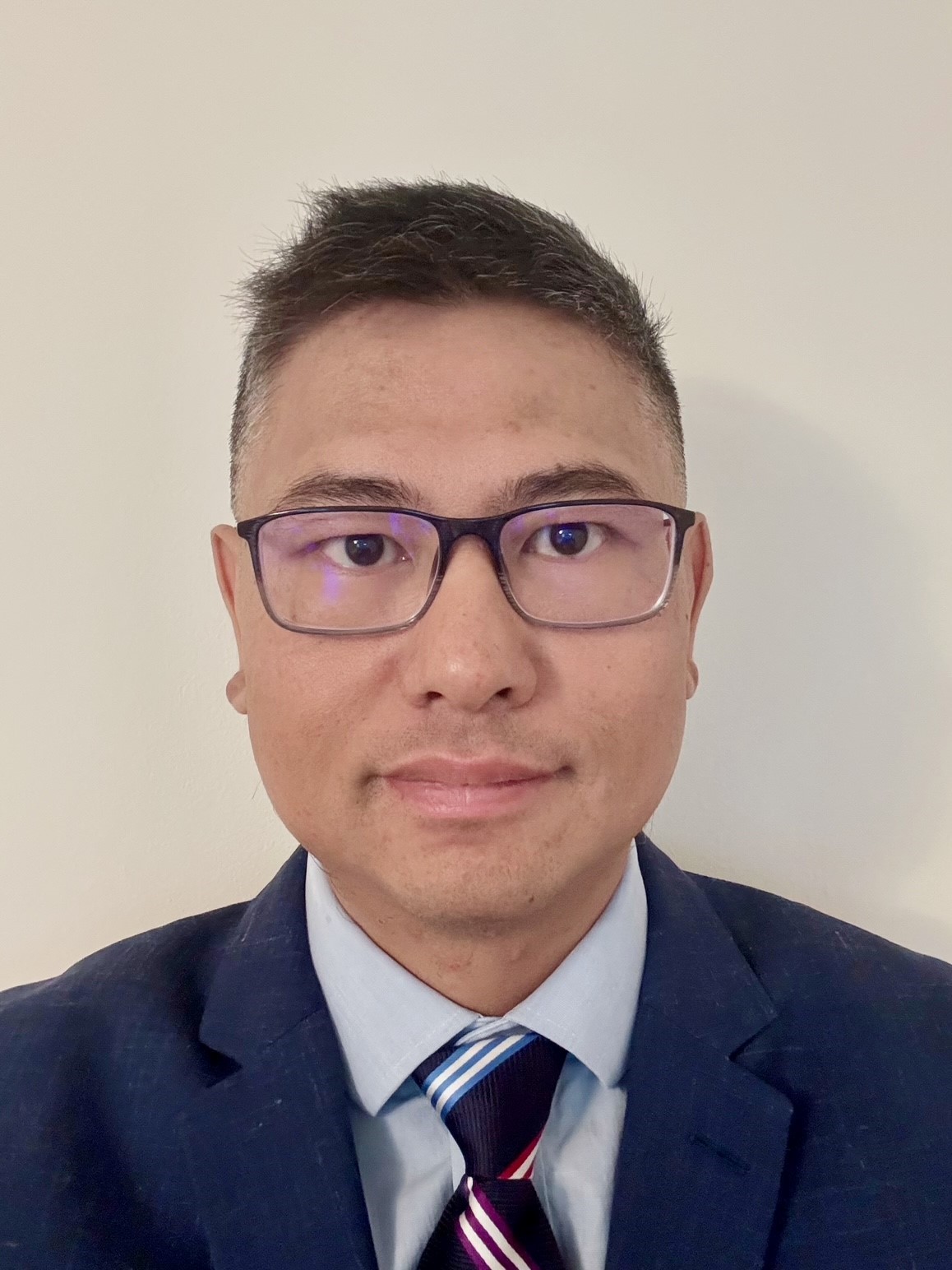 Dr. Zhaoyang Teng, Senior Director of
Biostatistics, currently leads the Medical Affairs Statistical
Science team at Astellas. He brings extensive expertise across
all phases of drug development (Phases I–III) and post-marketing
activities, including global regulatory and HTA submissions,
HEOR, market access, and global medical affairs. Before joining
Astellas, Dr. Teng served as Senior Director of Biostatistics at
Servier, where he led the LCM Biostatistics team for
oncology—covering HEOR, Market Access, GMPA, and RWE
analytics—as well as the APAC Biostatistics team based in
Beijing, China. He also held positions at Takeda Pharmaceuticals
earlier in his career. Dr. Teng received his PhD in
Biostatistics from Boston University. His research interests
include adaptive and seamless Phase 2/3 study designs,
biomarker-driven designs, model-based meta-analysis,
multi-regional clinical trials, enrollment prediction, indirect
treatment comparisons (ITC), quantitative benefit-risk analysis,
and the application of AI in drug development. He is an active
member of several professional statistical communities,
including ASA, BCASA, NESS, ICSA, Stat4Onc, SIP, NERDS and DISS,
contributing to the advancement of the field and organizing
local and global events.
Dr. Zhaoyang Teng, Senior Director of
Biostatistics, currently leads the Medical Affairs Statistical
Science team at Astellas. He brings extensive expertise across
all phases of drug development (Phases I–III) and post-marketing
activities, including global regulatory and HTA submissions,
HEOR, market access, and global medical affairs. Before joining
Astellas, Dr. Teng served as Senior Director of Biostatistics at
Servier, where he led the LCM Biostatistics team for
oncology—covering HEOR, Market Access, GMPA, and RWE
analytics—as well as the APAC Biostatistics team based in
Beijing, China. He also held positions at Takeda Pharmaceuticals
earlier in his career. Dr. Teng received his PhD in
Biostatistics from Boston University. His research interests
include adaptive and seamless Phase 2/3 study designs,
biomarker-driven designs, model-based meta-analysis,
multi-regional clinical trials, enrollment prediction, indirect
treatment comparisons (ITC), quantitative benefit-risk analysis,
and the application of AI in drug development. He is an active
member of several professional statistical communities,
including ASA, BCASA, NESS, ICSA, Stat4Onc, SIP, NERDS and DISS,
contributing to the advancement of the field and organizing
local and global events.
Dr. Mary Lai Salvana, University of Connecticut
 Mary Lai Salvana is an Assistant
Professor in the Department of Statistics at the University of
Connecticut (UConn). Prior to joining UConn, she was a
Postdoctoral Fellow at the Department of Mathematics at
University of Houston. She received her Ph.D. in Statistics at
the King Abdullah University of Science and Technology (KAUST),
Saudi Arabia. She obtained her BS and MS degrees in Applied
Mathematics from Ateneo de Manila University, Philippines, in
2015 and 2016, respectively. Her research interests include
extreme and catastrophic events, risks, disasters, spatial and
spatio-temporal statistics, environmental statistics,
computational statistics, large-scale data science, and
high-performance computing.
Mary Lai Salvana is an Assistant
Professor in the Department of Statistics at the University of
Connecticut (UConn). Prior to joining UConn, she was a
Postdoctoral Fellow at the Department of Mathematics at
University of Houston. She received her Ph.D. in Statistics at
the King Abdullah University of Science and Technology (KAUST),
Saudi Arabia. She obtained her BS and MS degrees in Applied
Mathematics from Ateneo de Manila University, Philippines, in
2015 and 2016, respectively. Her research interests include
extreme and catastrophic events, risks, disasters, spatial and
spatio-temporal statistics, environmental statistics,
computational statistics, large-scale data science, and
high-performance computing.
Dr. Yingwen Dong, Roche/Genentech
 Yingwen Dong is the Head
of Biostatistics in CVRM at Roche/Genentech. Prior to this role,
she served as the Global Head of Biostatistics in Rare Diseases
and Rare Blood Disorders at Sanofi. She has over 18 years of
clinical development experience in the pharmaceutical industry
across multiple therapeutic areas, including neurology,
oncology, rare diseases, rare blood disorders, and CVRM. Her
research interests focus on innovative clinical trial design and
its application. She currently serves as Program Chair-elect for
the ASA Biopharmaceutical Section and as a senior advisor for
the 2026 Regulatory-Industry Statistics Workshop. She received
her Ph.D. in Statistics from the University of Minnesota.
Yingwen Dong is the Head
of Biostatistics in CVRM at Roche/Genentech. Prior to this role,
she served as the Global Head of Biostatistics in Rare Diseases
and Rare Blood Disorders at Sanofi. She has over 18 years of
clinical development experience in the pharmaceutical industry
across multiple therapeutic areas, including neurology,
oncology, rare diseases, rare blood disorders, and CVRM. Her
research interests focus on innovative clinical trial design and
its application. She currently serves as Program Chair-elect for
the ASA Biopharmaceutical Section and as a senior advisor for
the 2026 Regulatory-Industry Statistics Workshop. She received
her Ph.D. in Statistics from the University of Minnesota.
Dr. Xinxin Dong, Amgen
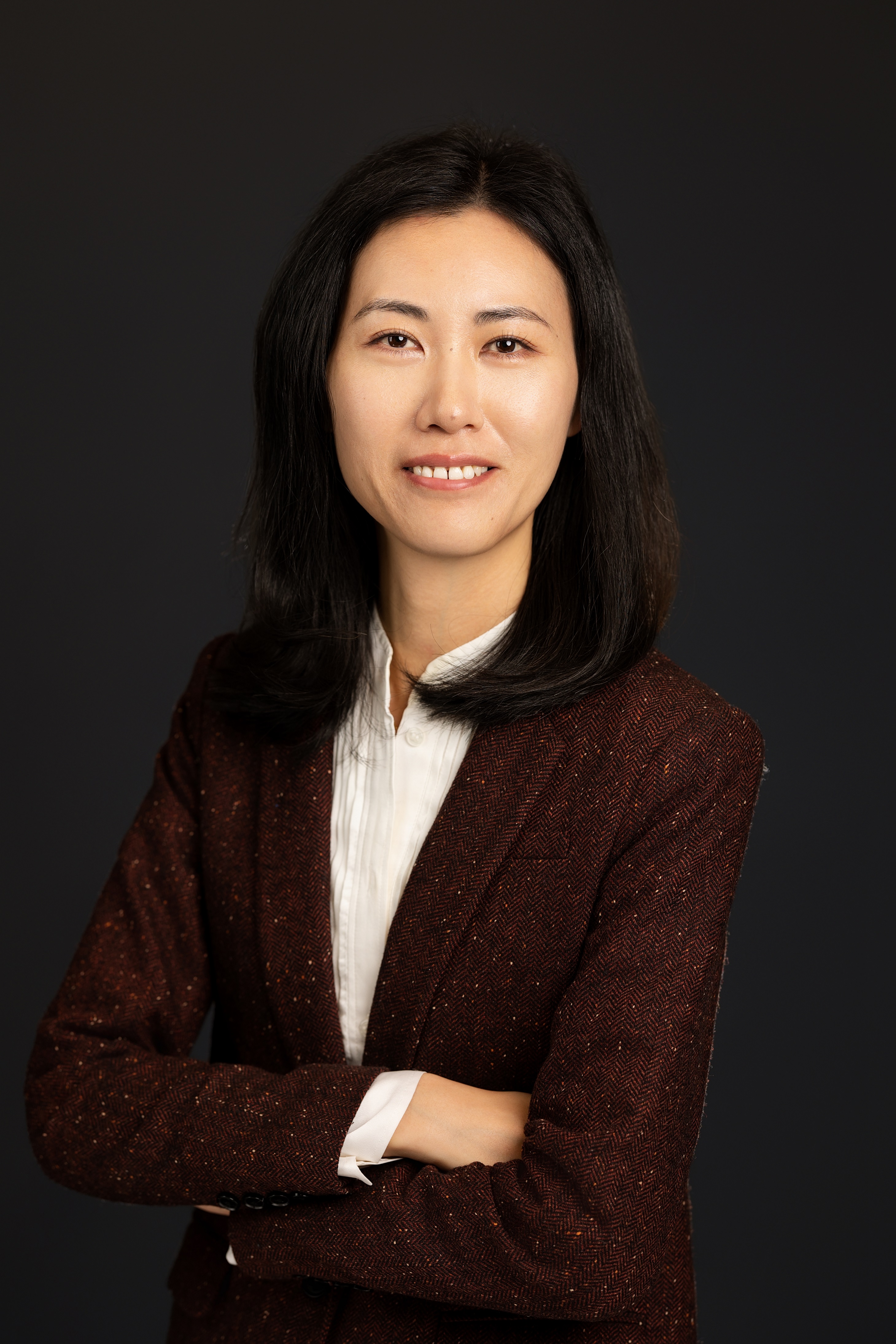 Dr. Xinxin Dong is a Biostatistics
Associate Director at Amgen, where she provides statistical
leadership for several clinical development programs in rare
disease. Before joining Amgen, she held biostatistics roles at
Takeda Pharmaceuticals and Eli Lilly and Company, supporting
studies across multiple therapeutic areas including immunology,
neuroscience, cardiovascular outcomes, and oncology. She
received her PhD in Biostatistics from the University of
Pittsburgh. Her current research interests include multiple
testing strategies, estimand frameworks and intercurrent event
handling, historical borrowing and digital twins, and
applications of AI in clinical trial design and drug
development.
Dr. Xinxin Dong is a Biostatistics
Associate Director at Amgen, where she provides statistical
leadership for several clinical development programs in rare
disease. Before joining Amgen, she held biostatistics roles at
Takeda Pharmaceuticals and Eli Lilly and Company, supporting
studies across multiple therapeutic areas including immunology,
neuroscience, cardiovascular outcomes, and oncology. She
received her PhD in Biostatistics from the University of
Pittsburgh. Her current research interests include multiple
testing strategies, estimand frameworks and intercurrent event
handling, historical borrowing and digital twins, and
applications of AI in clinical trial design and drug
development.
Dr. Ran Duan, Vertex
 Ran Duan is currently the
Director of biostatistics at Vertex Pharmaceuticals oversee
multiple indications. Before join Vertex, Ran worked at Angitia,
Alexion, AstraZeneca Rare Disease and Eli Lilly and Company,
where she supported the clinical development in multiple
therapeutic areas including Bone disease, neurology,
ophthalmology, and diabetes programs. She is an active member of
the ASA Gene and Cell therapy working group. Her research
interests include the innovative trial design for gene and cell
therapy, rare disease, RWE generation and digital solutions for
health care.
Ran Duan is currently the
Director of biostatistics at Vertex Pharmaceuticals oversee
multiple indications. Before join Vertex, Ran worked at Angitia,
Alexion, AstraZeneca Rare Disease and Eli Lilly and Company,
where she supported the clinical development in multiple
therapeutic areas including Bone disease, neurology,
ophthalmology, and diabetes programs. She is an active member of
the ASA Gene and Cell therapy working group. Her research
interests include the innovative trial design for gene and cell
therapy, rare disease, RWE generation and digital solutions for
health care.
Dr. Frank Fan, BMS
Dr. Chunpeng Fan, Insmed
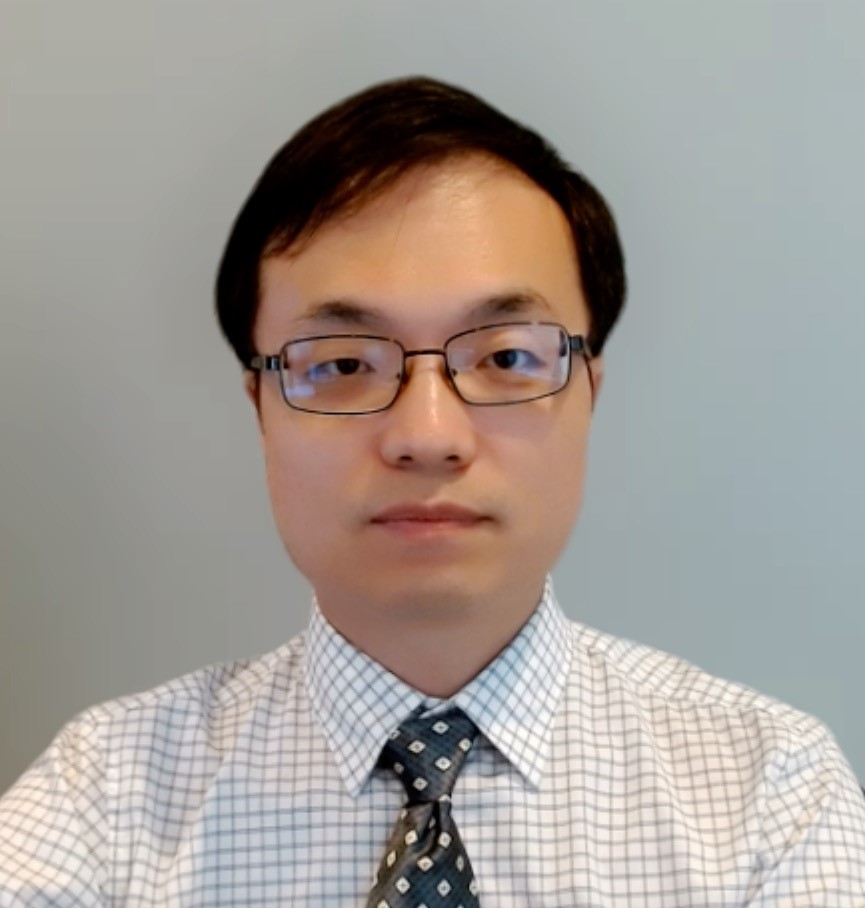 Dr. Chunpeng Fan is currently
Executive Director of Biostatistics at Insmed, where he has
served as Head of Statistical Innovations and program lead for
multiple development projects in respiratory, immunology, and
inflammation since joining the company in 2023. Prior to Insmed,
he spent more than 16 years at Sanofi in roles of increasing
responsibility, including serving as program lead for Dupixent.
Chunpeng has extensive clinical development experience across
all stages of drug development, from pre-IND through global
NDA/MAA submissions and regulatory approvals. His research
interests include clinical trial design and analysis
methodologies, binary and count data analysis, generalized
linear mixed models, generalized estimating equations (GEE), and
rank-based methods. Chunpeng earned his Ph.D. in Statistics from
the University of Wisconsin–Madison.
Dr. Chunpeng Fan is currently
Executive Director of Biostatistics at Insmed, where he has
served as Head of Statistical Innovations and program lead for
multiple development projects in respiratory, immunology, and
inflammation since joining the company in 2023. Prior to Insmed,
he spent more than 16 years at Sanofi in roles of increasing
responsibility, including serving as program lead for Dupixent.
Chunpeng has extensive clinical development experience across
all stages of drug development, from pre-IND through global
NDA/MAA submissions and regulatory approvals. His research
interests include clinical trial design and analysis
methodologies, binary and count data analysis, generalized
linear mixed models, generalized estimating equations (GEE), and
rank-based methods. Chunpeng earned his Ph.D. in Statistics from
the University of Wisconsin–Madison.
Dr. Xingche Guo, University of Connecticut
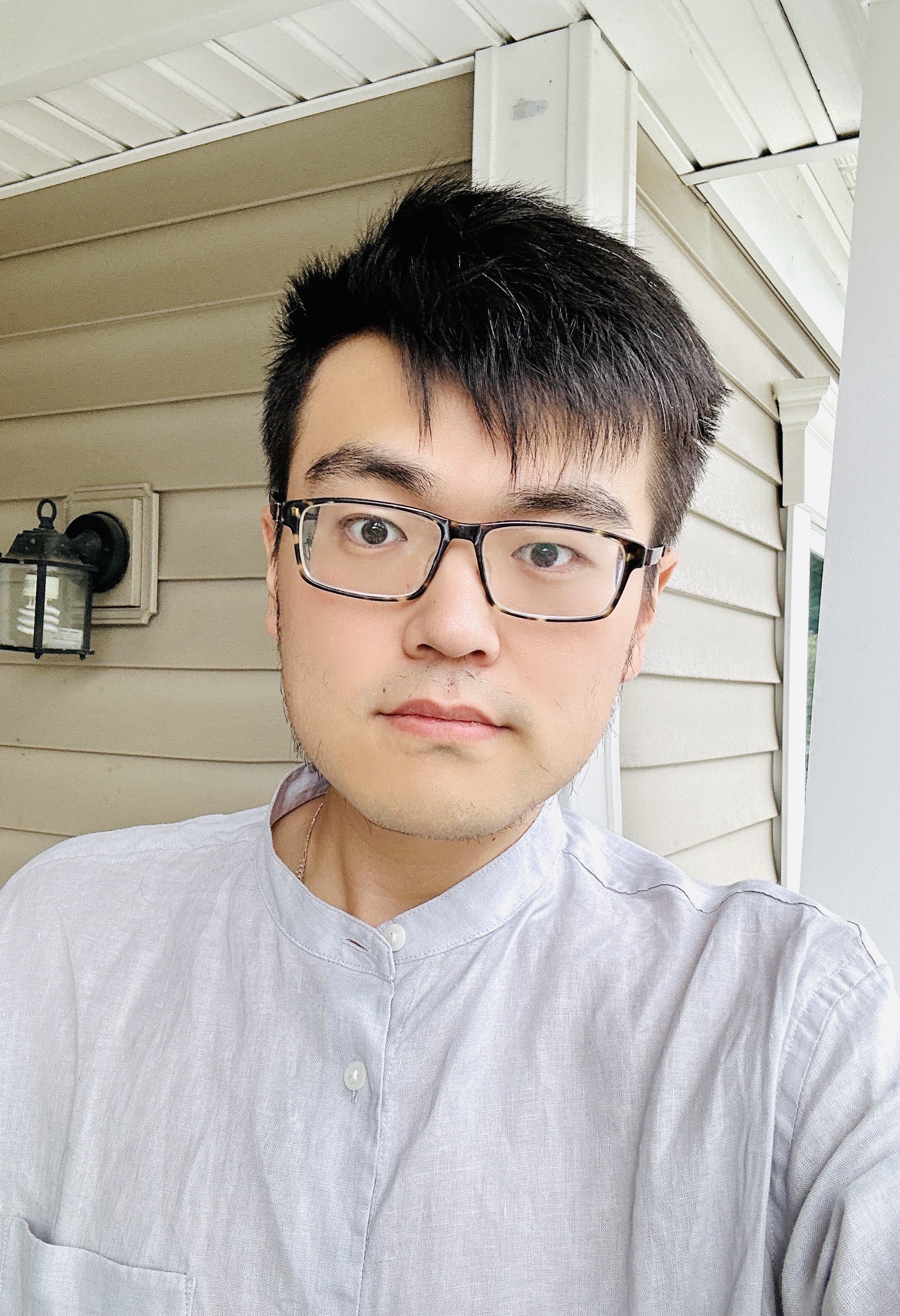 Dr. Xingche Guo is a tenure-track Assistant
Professor in the Department of Statistics at the University of
Connecticut. His research develops statistical and machine
learning methods for complex structured data, including
functional data analysis, latent variable models, reinforcement
learning, and computational psychiatry for human brain and
behavioral data.
Dr. Xingche Guo is a tenure-track Assistant
Professor in the Department of Statistics at the University of
Connecticut. His research develops statistical and machine
learning methods for complex structured data, including
functional data analysis, latent variable models, reinforcement
learning, and computational psychiatry for human brain and
behavioral data.
Dr. Larry Han, Brown University
 Larry Han is an Assistant Professor at Brown
University, jointly appointed in the Department of Biostatistics
and Brown Data Science Institute, and an Affiliate Investigator
in the Vaccine and Infectious Disease Division at the Fred Hutch
Cancer Center. He was previously an Assistant Professor at
Northeastern University. His research focuses on developing
novel statistical and machine learning methods to leverage
real-world data to improve decision-making, with a focus on
public health and clinical medicine. His current areas of
interest include causal inference, conformal inference, data
integration, federated learning, and survival analysis. He
serves as Associate Editor of the Journal of Causal Inference
and Health Services and Outcomes Research Methodology. He
obtained his Ph.D. in Biostatistics from Harvard University,
working with Tianxi Cai, and completed a postdoctoral fellowship
with Sharon-Lise Normand at the Department of Health Care Policy
at Harvard.
Larry Han is an Assistant Professor at Brown
University, jointly appointed in the Department of Biostatistics
and Brown Data Science Institute, and an Affiliate Investigator
in the Vaccine and Infectious Disease Division at the Fred Hutch
Cancer Center. He was previously an Assistant Professor at
Northeastern University. His research focuses on developing
novel statistical and machine learning methods to leverage
real-world data to improve decision-making, with a focus on
public health and clinical medicine. His current areas of
interest include causal inference, conformal inference, data
integration, federated learning, and survival analysis. He
serves as Associate Editor of the Journal of Causal Inference
and Health Services and Outcomes Research Methodology. He
obtained his Ph.D. in Biostatistics from Harvard University,
working with Tianxi Cai, and completed a postdoctoral fellowship
with Sharon-Lise Normand at the Department of Health Care Policy
at Harvard.
Dr. Cong Han, Astellas
Cong Han is Vice President of Clinical
Biometrics at Astellas Pharma Global Development, where he leads
a global organization encompassing statistical science,
statistical methodology and innovation, statistical programming
and computing, clinical modeling and analytics, and safety data
science. He earned his PhD in Biostatistics from the University
of Minnesota and previously served as a biostatistics faculty
member at the University of Washington. With more than 20 years
of industry experience, he has held leadership roles at Takeda,
Novartis Gene Therapies, and Astellas, contributing to programs
across gastroenterology, cardiorenal and metabolic diseases,
women’s health, ophthalmology, vaccine development, and cell and
gene therapy development.
Dr. Ally He, Hemab Therapeutics
Dr. Wei Hou, Neurocrine Biosciences
Dr. Haolin Li, Boston University
Haolin (Leo) Li is an Assistant Professor of
Biostatistics at the Boston University School of Public Health.
He received his Ph.D. in Biostatistics, a Certificate in
Innovation, Leadership, and Management, and a Bachelor of
Science in Public Health from the University of North Carolina
at Chapel Hill. His research areas include clinical trials,
survival analysis, machine learning, epidemiologic studies, and
statistical leadership and pedagogy. He develops and applies
advanced statistical methods to solve real-world problems and
generate insights in healthcare research.
Dr. Purvi Prajapati, Lilly
Dr. Sourav Santra, Sarepta Therapeutics
 PhD Biostatistician with extensive
experience in clinical development, Real-World Evidence, and
work at major pharma, biotech, and CROs in the US and India.
Currently at Sarepta Therapeutics.
PhD Biostatistician with extensive
experience in clinical development, Real-World Evidence, and
work at major pharma, biotech, and CROs in the US and India.
Currently at Sarepta Therapeutics.
Dr. Xiao Shan, Takeda
Dr. Susie Sinks, Biogen
 Dr. Susie Sinks is
currently a Director in Development Statistics at Biogen, where
she has served as program lead in neuromuscular, multiple
sclerosis and immunology therapeutic areas. Before joining
Biogen in 2019, Susie worked in the FDA over 5 years for the
Division of Metabolic and Endocrinology Products (DMEP) with
specialty in diabetes and metabolic statistical review after
receiving a Ph.D. in Biostatistics from Virginia Commonwealth
University. Her research interests include missing data,
surrogacy modeling, benefit and risk assessment.
Dr. Susie Sinks is
currently a Director in Development Statistics at Biogen, where
she has served as program lead in neuromuscular, multiple
sclerosis and immunology therapeutic areas. Before joining
Biogen in 2019, Susie worked in the FDA over 5 years for the
Division of Metabolic and Endocrinology Products (DMEP) with
specialty in diabetes and metabolic statistical review after
receiving a Ph.D. in Biostatistics from Virginia Commonwealth
University. Her research interests include missing data,
surrogacy modeling, benefit and risk assessment.
Dr. Zhichao Sun, Boehringer Ingelheim
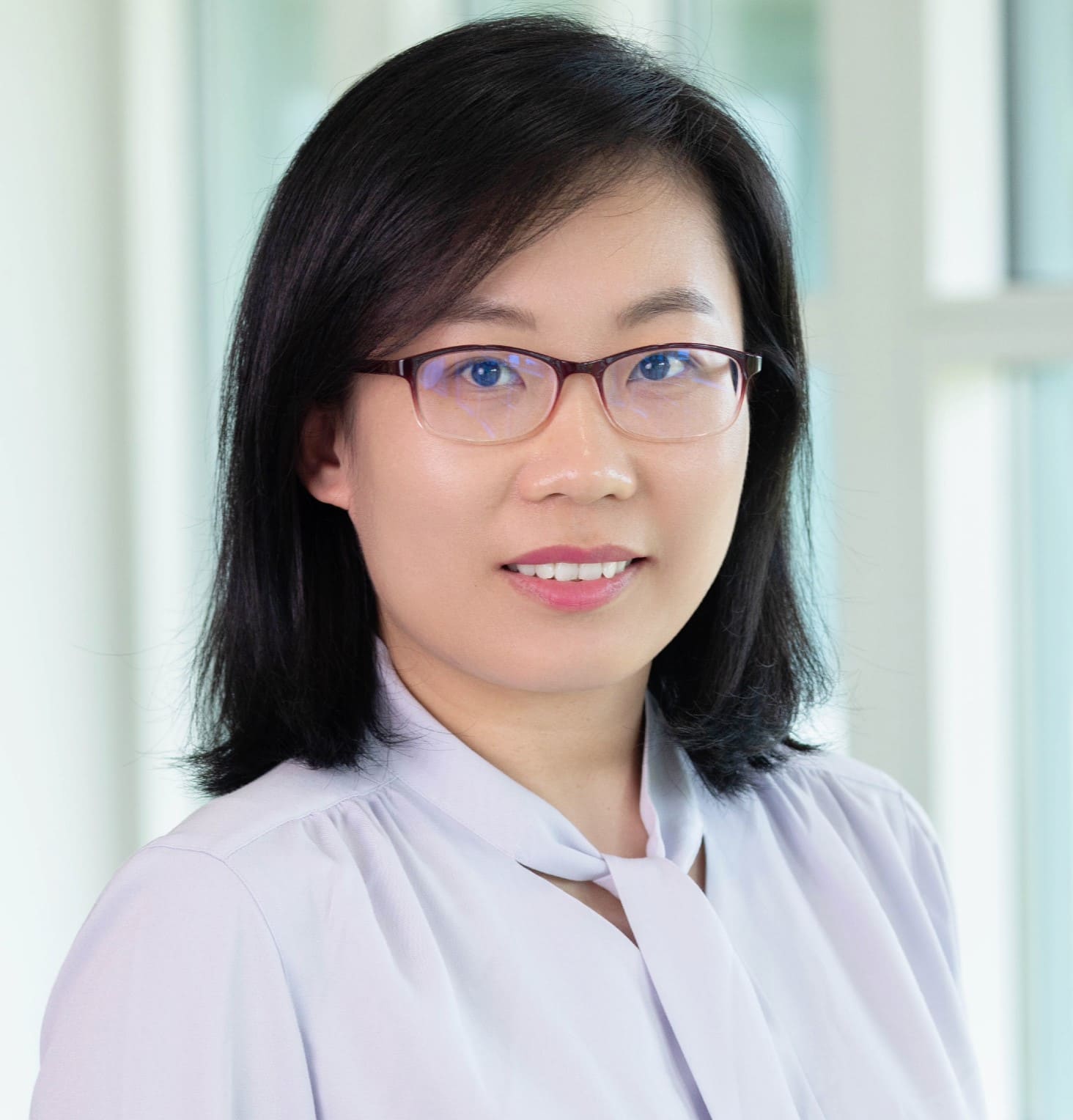 Dr. Zhichao Sun is a Senior Associate
Director and Product Owner in the Cardio-Renal-Metabolism (CRM)
Therapeutic Area at Boehringer Ingelheim. She received her Ph.D.
in Biostatistics from the University of Michigan and leads a
team of Biostatistics and Data Sciences (BDS) professionals
supporting the late-phase development of therapies for chronic
kidney disease and metabolic disorders. Her professional
interests include innovative clinical trial design, evidence
generation, and data-driven decision making to accelerate the
development of effective treatments. She is passionate about
leveraging quantitative sciences to advance clinical development
and improve outcomes for patients living with
Cardio-Renal-Metabolism.
Dr. Zhichao Sun is a Senior Associate
Director and Product Owner in the Cardio-Renal-Metabolism (CRM)
Therapeutic Area at Boehringer Ingelheim. She received her Ph.D.
in Biostatistics from the University of Michigan and leads a
team of Biostatistics and Data Sciences (BDS) professionals
supporting the late-phase development of therapies for chronic
kidney disease and metabolic disorders. Her professional
interests include innovative clinical trial design, evidence
generation, and data-driven decision making to accelerate the
development of effective treatments. She is passionate about
leveraging quantitative sciences to advance clinical development
and improve outcomes for patients living with
Cardio-Renal-Metabolism.
Dr. Roy Tamura, University of South Florida
 Roy Tamura is emeritus associate professor
of biostatistics in the Health Informatics Institute at the
University of South Florida. At the University of South Florida,
he consulted extensively with researchers in type 1 diabetes,
and with rare disease consortiums in Prader-Willi syndrome and
vasculitis. Prior to joining the University of South Florida, he
was a Research Fellow at Eli Lilly and Company in Indianapolis.
His research interests are in the design and analysis of small
sample clinical trials. He is a Fellow of the American
Statistical Association.
Roy Tamura is emeritus associate professor
of biostatistics in the Health Informatics Institute at the
University of South Florida. At the University of South Florida,
he consulted extensively with researchers in type 1 diabetes,
and with rare disease consortiums in Prader-Willi syndrome and
vasculitis. Prior to joining the University of South Florida, he
was a Research Fellow at Eli Lilly and Company in Indianapolis.
His research interests are in the design and analysis of small
sample clinical trials. He is a Fellow of the American
Statistical Association.
Dr. Xin Wang, AbbVie
 Dr. Xin Wang is Senior Director, Statistics TA Head in
Rheumatology at AbbVie. Xin received her Ph.D. in Statistics
from Northwestern University. Xin is a motivated statistician
and Team Leader with 18 years of drug development experience in
pharmaceutical companies including AbbVie, BMS, Pfizer and
Sanofi. She has extensive and unique cross TA experience
spanning Cell Therapy, Hematology and Immunology, with a proven
track record of leading 10+ successful NDA/sNDA/sBLA submissions
and approvals developing best-in-class treatments including
Breyanzi (CAR-T) and Rinvoq (Immunology). Her research interest
includes multiple comparisons, gatekeeping procedures,
dose-finding, missing data imputations, and adaptive
designs.
Dr. Xin Wang is Senior Director, Statistics TA Head in
Rheumatology at AbbVie. Xin received her Ph.D. in Statistics
from Northwestern University. Xin is a motivated statistician
and Team Leader with 18 years of drug development experience in
pharmaceutical companies including AbbVie, BMS, Pfizer and
Sanofi. She has extensive and unique cross TA experience
spanning Cell Therapy, Hematology and Immunology, with a proven
track record of leading 10+ successful NDA/sNDA/sBLA submissions
and approvals developing best-in-class treatments including
Breyanzi (CAR-T) and Rinvoq (Immunology). Her research interest
includes multiple comparisons, gatekeeping procedures,
dose-finding, missing data imputations, and adaptive
designs.
Dr. Haiying Wang, University of Connecticut
 HaiYing Wang is an
Associate Professor in the Department of Statistics at the
University of Connecticut. Prior to his current position, he was
an Assistant Professor of Statistics at the University of New
Hampshire from 2013 to 2017. He received his Ph.D. in Statistics
from the University of Missouri and his M.S. from the Academy of
Mathematics and Systems Science, Chinese Academy of Sciences, in
2006. Dr. Wang’s research interests include informative subdata
selection for big data, model selection and averaging,
measurement error models, and semi-parametric regression. His
work has been published in leading statistics and machine
learning journals, such as Biometrika, IEEE Transactions, ASA,
and JMLR, as well as at premier conferences including ICML and
NeurIPS.
HaiYing Wang is an
Associate Professor in the Department of Statistics at the
University of Connecticut. Prior to his current position, he was
an Assistant Professor of Statistics at the University of New
Hampshire from 2013 to 2017. He received his Ph.D. in Statistics
from the University of Missouri and his M.S. from the Academy of
Mathematics and Systems Science, Chinese Academy of Sciences, in
2006. Dr. Wang’s research interests include informative subdata
selection for big data, model selection and averaging,
measurement error models, and semi-parametric regression. His
work has been published in leading statistics and machine
learning journals, such as Biometrika, IEEE Transactions, ASA,
and JMLR, as well as at premier conferences including ICML and
NeurIPS.
Dr. Yuna Wu, Galderma
 Yu
(Yuna) Wu, Ph.D., is the Global Head of Biometrics and Data
Management at Galderma, where she leads global biometrics and
data management functions supporting clinical development
programs worldwide. She brings more than 19 years of
pharmaceutical industry experience across Phase I–IV clinical
development, regulatory submissions, and post-marketing
research. Dr. Wu is an innovative biometrics leader with
expertise in adaptive trial designs, Bayesian methodologies,
estimand strategies, real-world evidence integration, and
advanced statistical approaches for complex clinical development
programs. She is particularly passionate about leveraging
innovative methodologies, data-driven insights, and emerging
technologies to improve development efficiency, strengthen
evidence generation, and accelerate patient-focused drug
development. Dr. Wu holds a Ph.D. and M.S. in Statistics from
Iowa State University and a B.S. in Statistics from the
University of Science and Technology of China.
Yu
(Yuna) Wu, Ph.D., is the Global Head of Biometrics and Data
Management at Galderma, where she leads global biometrics and
data management functions supporting clinical development
programs worldwide. She brings more than 19 years of
pharmaceutical industry experience across Phase I–IV clinical
development, regulatory submissions, and post-marketing
research. Dr. Wu is an innovative biometrics leader with
expertise in adaptive trial designs, Bayesian methodologies,
estimand strategies, real-world evidence integration, and
advanced statistical approaches for complex clinical development
programs. She is particularly passionate about leveraging
innovative methodologies, data-driven insights, and emerging
technologies to improve development efficiency, strengthen
evidence generation, and accelerate patient-focused drug
development. Dr. Wu holds a Ph.D. and M.S. in Statistics from
Iowa State University and a B.S. in Statistics from the
University of Science and Technology of China.
Dr. Dihua Xu, Operations Subcommittee
Dr. Denise Yi, Servier
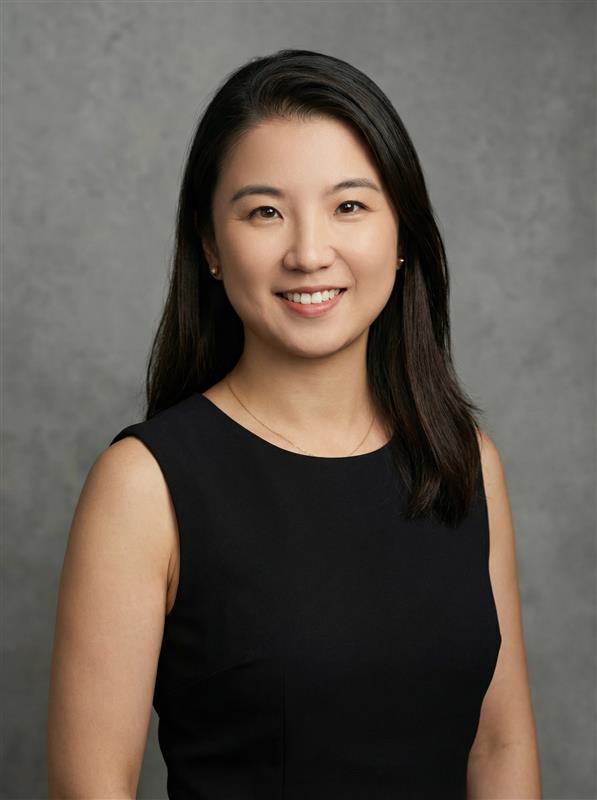 Denise Yi, PhD, is an Associate Director and
Statistics Lead for Real-World Evidence (RWE) Analytics in
Oncology at Servier, providing strategic leadership to generate
evidence for clinical development, regulatory, and market access
decisions. She leads high-impact RWE studies with strong
methodological rigor aligned to evolving regulatory
expectations. She also drives methodological innovation in
external control analyses and indirect treatment comparisons to
advance real-world data applications.
Denise Yi, PhD, is an Associate Director and
Statistics Lead for Real-World Evidence (RWE) Analytics in
Oncology at Servier, providing strategic leadership to generate
evidence for clinical development, regulatory, and market access
decisions. She leads high-impact RWE studies with strong
methodological rigor aligned to evolving regulatory
expectations. She also drives methodological innovation in
external control analyses and indirect treatment comparisons to
advance real-world data applications.
Dr. Xiang Zhang, CSL Behring
Dr. Qi Zhang, Sanofi
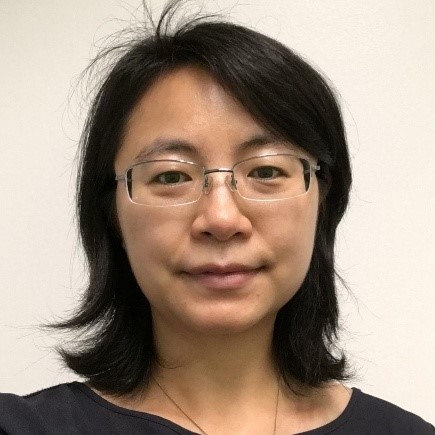 Dr. Qi Zhang is Global Head of Biostatistics
for Rare Disease within Evidence Generation and Decision Science
at Sanofi, leading a biostatistics team to support phase 2 to 3
clinical development and submission across variety of rare
disease portfolios. Prior to joining Sanofi, she spent 11 years
at Eli Lilly supporting neuroscience area. Qi received her Ph.D.
in Biostatistics from university of Cincinnati. Her research
encompasses a range of advanced topics, including global testing
methods, causal inference with external control, Bayesian data
borrowing, adaptive design including sample size re-estimation,
etc.
Dr. Qi Zhang is Global Head of Biostatistics
for Rare Disease within Evidence Generation and Decision Science
at Sanofi, leading a biostatistics team to support phase 2 to 3
clinical development and submission across variety of rare
disease portfolios. Prior to joining Sanofi, she spent 11 years
at Eli Lilly supporting neuroscience area. Qi received her Ph.D.
in Biostatistics from university of Cincinnati. Her research
encompasses a range of advanced topics, including global testing
methods, causal inference with external control, Bayesian data
borrowing, adaptive design including sample size re-estimation,
etc.
Dr. Ying Zhou, University of Connecticut
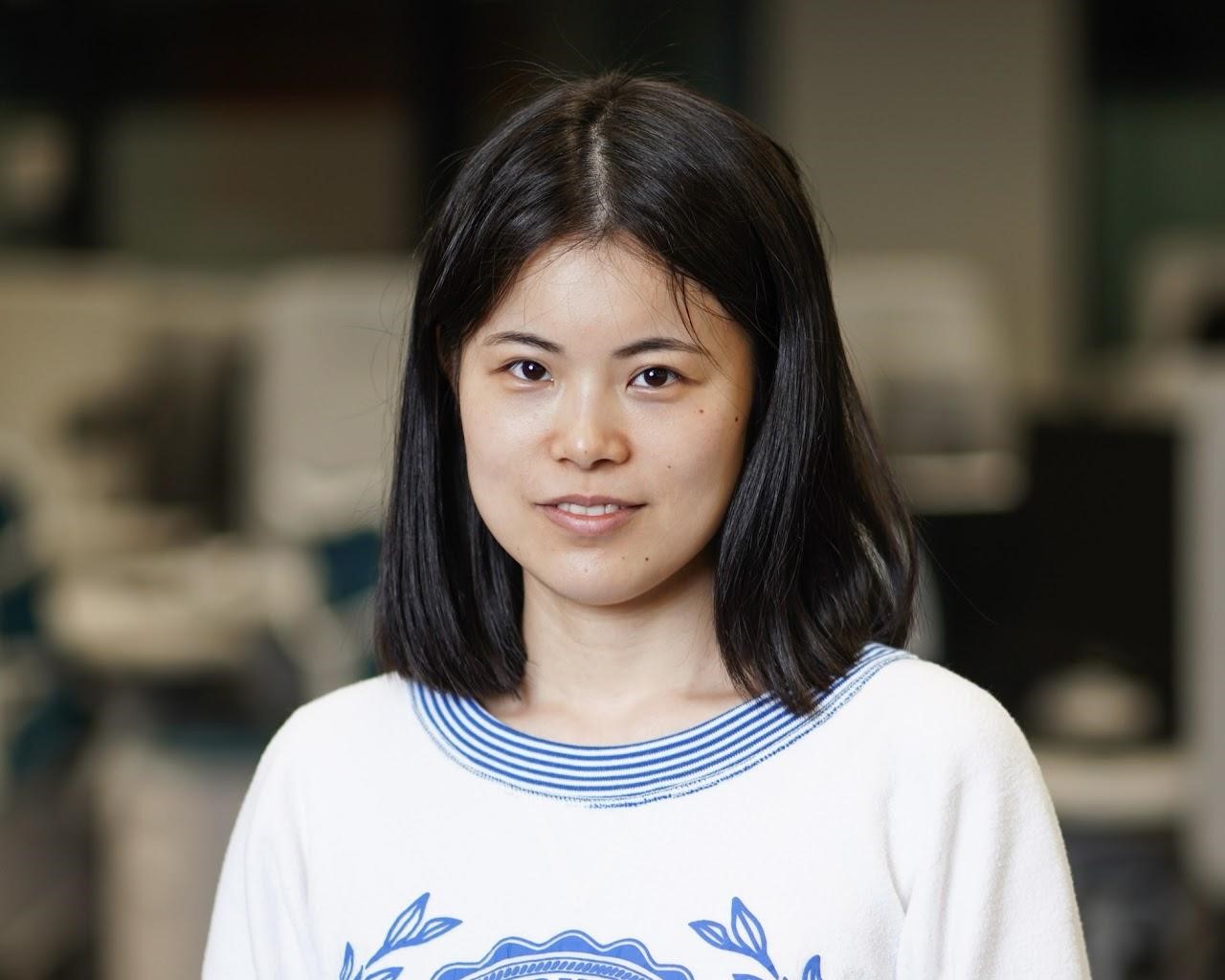 Ying Zhou is an Assistant Professor of
Statistics at the University of Connecticut. Before joining
UConn, she was a Postdoctoral Fellow at the University of
Pennsylvania from 2023 to 2024. She received her Ph.D. in
Statistics from the University of Toronto. Her research focuses
on methodological and applied challenges in causal inference,
particularly those arising from complex data structures.
Ying Zhou is an Assistant Professor of
Statistics at the University of Connecticut. Before joining
UConn, she was a Postdoctoral Fellow at the University of
Pennsylvania from 2023 to 2024. She received her Ph.D. in
Statistics from the University of Toronto. Her research focuses
on methodological and applied challenges in causal inference,
particularly those arising from complex data structures.